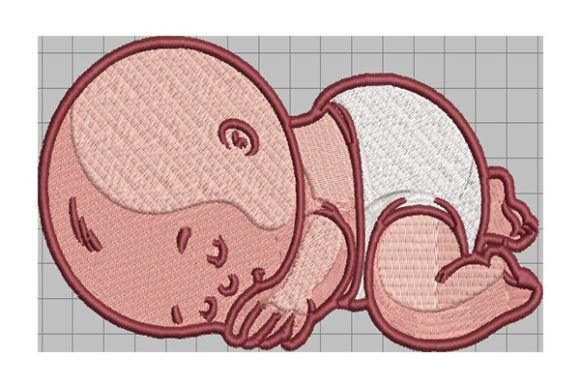
Sleeping Baby: A Craft Fair Best-Seller Review
As an embroidery designer who has spent countless weekends behind a booth table, I have learned that not every pretty design translates into a profitable craft fair product. When I first loaded the Sleeping Baby machine embroidery design onto my machine, my immediate goal was not just to admire the artistry, but to evaluate its commercial viability. For those of us running small shops or selling as an Etsy seller, the difference between a design that sits in a folder and one that flies off the table often comes down to practical execution and visual impact.
First Impressions and Market Appeal
The title alone suggests a soft, tender aesthetic, and the design delivers on that promise. Sleeping Baby exudes a gentle, serene vibe that fits perfectly within the Babies category. It does not scream for attention with loud colors or chaotic lines; instead, it invites a closer look. This subtlety is crucial for handmade markets where customers are often overwhelmed by visual noise. The design feels modern yet timeless, avoiding overly trendy elements that might date the finished product quickly. It strikes a balance between cute and elegant, making it suitable for high-end boutique makers as well as casual gift shoppers.
For a small shop product, this emotional connection is vital. Parents and gift-givers are drawn to imagery that evokes peace and innocence. By choosing a design that communicates calm, you are not just selling embroidery; you are selling a feeling. This psychological hook can significantly boost buyer engagement at a busy craft fair.
Versatility Across Product Lines
One of the strongest assets of Sleeping Baby is its adaptability. In my review, I tested the concept across several common handmade product categories to see where it performed best.
- Tote Bag Design: Placed centrally on a canvas tote, the design acts as a charming focal point. It appeals to new mothers carrying diaper essentials, turning a utility item into a personalized accessory.
- Apron Embroidery: On a linen or cotton apron, the design adds a touch of whimsy. It works well for kitchen-themed gifts, suggesting a narrative of nurturing and home comfort.
- Tea Towel Embroidery: This is perhaps the most natural fit. The soft curves of the design complement the texture of waffle or flour sack towels. It creates an instant heirloom quality that justifies a higher price point.
- Embroidered Patch: If scaled correctly, this design could work as an iron-on or sew-on patch. Patches are low-commitment items for customers who want to test your brand style before buying larger items.
- Pillow Covers: For nursery decor, placing Sleeping Baby on a neutral pillow cover creates a sophisticated look that parents will keep long after the baby has outgrown the crib.
When preparing your booth display, consider creating a cohesive collection. Displaying the same design on a towel, a tote, and a cap shows versatility and helps customers visualize how the digital embroidery file can translate into various aspects of their lives.
Production Practicality and Batch Efficiency
From a production standpoint, time is money. A design that takes hours to hoop and stitch is less ideal for high-volume sales unless the price point is very high. Sleeping Baby appears to be designed with efficiency in mind. While I cannot specify the exact stitch count without seeing the technical data, the visual simplicity suggests a manageable run time. This makes it an excellent candidate for batch production, allowing you to prepare inventory ahead of peak seasons like baby showers or holidays.
Photography is another critical factor. This design photographs beautifully because of its clear lines and lack of excessive clutter. For your Etsy listings or social media marketing, the design will stand out against both light and dark backgrounds, provided you choose contrasting thread. A clean, readable image increases click-through rates and reduces customer confusion about what they are buying.
Technical Considerations and Careful Use
Even the best design assets require careful handling. Here are specific technical notes to ensure your commercial embroidery products look professional:
- Fabric Texture: Be cautious with highly textured towels. If the pile is too deep, fine details in the Sleeping Baby design may get lost. Test on a sample piece first to ensure the stitches sit on top of the fabric rather than sinking in.
- Stitch Density: Check the density settings. If the design is too dense for lightweight fabrics like muslin or thin cotton, it may cause puckering. Always use the appropriate stabilizer—cut-away for stretchy fabrics and tear-away for stable woven materials.
- Curved Surfaces: If applying this to caps, remember that the curved surface distorts the view. Ensure the design is centered and scaled so it does not wrap around the sides where it becomes unreadable.
- Thread Colors: Since the theme is sleep and calm, stick to soft pastels or classic neutrals. Avoid neon or harsh contrasts unless you are aiming for a specific modern pop-art look, which may not align with the design’s inherent mood.
- Small Details: If you plan to shrink the design for small pouches or tags, verify that tiny details remain intact. Some machines struggle with very small satin stitches, which can break or look messy.
Always confirm the hoop size compatibility. The product description states that Sleeping Baby comes with multiple embroidery file formats, which is a significant advantage. However, you must check which sizes are included to ensure they fit your specific machine’s capabilities. Do not assume a 4x4 hoop file will scale up perfectly to a 5x7 without potential distortion or registration issues.
Building Brand Consistency
Using a consistent design style helps build brand recognition. If your shop specializes in nursery items, Sleeping Baby reinforces your niche authority. Customers begin to associate your brand with quality, thoughtful Embroidery that captures the essence of childhood. This consistency makes your booth display stronger and more memorable.
Before finalizing your inventory, create at least one real printable mockup or physical sample to compare fabric colors. Seeing the design on the actual material reveals issues that digital screens hide. Additionally, always review the licensing terms. The description mentions it can be used in multiple embroidery projects, but as a responsible business owner, you must confirm whether the license covers unlimited commercial embroidery sales or if there are restrictions on quantity.
In conclusion, Sleeping Baby is a strong contender for any maker looking to expand their baby-centric lineup. It balances aesthetic appeal with production practicality, offering a versatile solution for tote bags, towels, and gifts. By paying attention to fabric choice, stabilizer selection, and presentation, you can turn this digital embroidery file into a staple of your craft fair success.