Baby Feet Line Art: A Craft Fair Designer’s Review
As an embroidery designer who has spent countless weekends behind a booth table, I have learned that not every digital file translates into a best-selling craft fair product. Some designs look stunning on a screen but vanish in person. Others are so dense they ruin the fabric. Today, I am putting Baby Feet Line Art under the microscope to see if it deserves a spot in my next batch of handmade product listings.
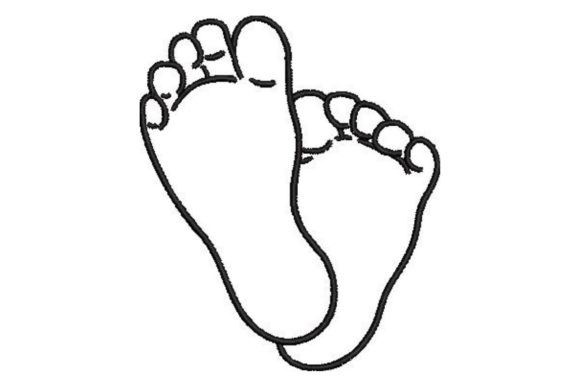
The premise is simple: minimal line art depicting tiny baby feet. This falls squarely into the Nursery category, a niche that never truly goes out of style. Parents, grandparents, and gift-givers are always hunting for sentimental, high-quality items. But does this specific machine embroidery design deliver the visual punch needed to stop a shopper in their tracks? Let’s break it down from a production and sales perspective.
First Impressions and Visual Appeal
When I first loaded the digital embroidery file, my immediate reaction was relief. In a market saturated with overly complex, multi-colored designs, Baby Feet Line Art offers a breath of fresh air. It feels modern, soft, and elegant. The line art style suggests a minimalist aesthetic that pairs beautifully with current home decor trends. It is not trying too hard. It is cute without being cartoonish, making it versatile for both baby clothing and sophisticated nursery decor.
For a craft fair seller, clarity is king. Customers walk past tables quickly. They need to understand what they are looking at in less than three seconds. This design excels here. The silhouette of baby feet is universally recognized and emotionally resonant. It triggers an immediate "aww" factor, which is a powerful driver for impulse buys at handmade markets.
Versatility Across Product Lines
The description states that this embroidery design will stitch out wonderfully on any kind of fabric. As a practitioner, I take this with a grain of salt, but the simplicity of line art generally supports this claim. Here is how I envision using this asset across my product line:
- Tote Bag Design: A large-scale version on a natural canvas tote creates a chic, understated look. It appeals to new moms who want something stylish rather than loud.
- Apron Embroidery: Placed on the bib of a linen apron, this makes for a thoughtful baby shower gift. The line art holds up well against the texture of linen.
- Tea Towel Embroidery: This is perhaps the strongest contender. Kitchen towels are low-cost to produce and high-volume sellers. The delicate lines contrast beautifully against waffle weave or smooth cotton.
- Embroidered Patch: If you offer patches, this design is ideal. It can be stitched on twill and cut close to the edge. Patches allow customers to customize their own gear, increasing engagement.
- Pillow Covers: A small, centered motif on a neutral pillow cover adds a touch of warmth to a nursery without dominating the room’s aesthetic.
For Etsy seller accounts, this versatility means you can create multiple listings from one design assets purchase. You can photograph the same design on a hat, a towel, and a onesie, maximizing your return on investment.
Production Practicalities and Careful-Use Notes
While the design is forgiving, it is not immune to poor execution. Here are my practical notes for ensuring your finished product looks professional.
Stitch Density and Fabric Texture: Line art relies on clean, unbroken paths. If your stitch density is too high, the lines may merge, losing the delicate definition. Conversely, if the fabric is too textured, like a thick terry cloth towel, the fine lines might get lost in the pile. I recommend testing on medium-weight cotton or linen first. Always use a appropriate stabilizer; a cut-away is often safer for stretchy fabrics like baby onesies to prevent puckering.
Thread Colors: Because this is line art, thread choice is critical. High contrast works for visibility (white thread on navy), but tonal stitching (cream on white) looks more premium and subtle. Avoid variegated threads for this specific design, as they can break the continuity of the line.
Curved Surfaces: If you are applying this to caps, be mindful of the curvature. A design that is too wide may distort on the front panel of a baseball cap. Check the recommended hoop size before purchasing. Since the prompt mentions multiple file formats, ensure you select the size that fits your specific hoop without excessive resizing, which can alter stitch quality.
Small Details: While line art is generally robust, ensure the smallest details do not become too tiny for your machine’s needle capability. If the design includes any text or extremely fine connectors, zoom in at 400% on your software to inspect for potential thread breaks.
Boosting Sales and Brand Consistency
Why does Baby Feet Line Art matter for your bottom line? It builds brand consistency. If your shop focuses on minimalist, handmade goods, this design reinforces that identity. It looks intentional and curated. For booth displays, having a cohesive look draws the eye. A table filled with mismatched, chaotic designs feels cluttered. A table featuring consistent, elegant line art feels like a boutique.
Furthermore, this design photographs exceptionally well for online listings. Minimalist designs do not suffer from the "noise" that complex patterns do in photos. You can create a clean printable mockup or stage a real-life photo with simple props—a wooden rattle, a soft blanket—and let the embroidery speak for itself. This ease of marketing translates directly to higher click-through rates for your small shop product pages.
Final Verdict for Commercial Embroidery
Before you commit to bulk production, remember to verify the commercial licensing terms. The description hints at multiple file formats, which is excellent for compatibility across different machine brands. However, always confirm that the license allows for commercial embroidery on physical goods if you plan to sell them.
Test the design on scrap fabric first. Check the tension. Compare how it looks on dark versus light fabrics. Create at least one real mockup to gauge customer reaction. If the lines are crisp and the sentiment is clear, Baby Feet Line Art is a winner. It is a low-risk, high-reward addition to any Nursery themed collection. It respects the fabric, respects the viewer’s intelligence, and most importantly, it respects the time of the maker by being straightforward to stitch.
In the world of handmade markets, simplicity often sells best. This design proves that you do not need thousands of stitches to make a thousand-dollar impression. It is a solid, reliable tool for your creative arsenal.