Cactus Group Outline: A Designer’s Review
As a designer who has spent years digitizing and stitching thousands of patterns, I approach every new machine embroidery design with a mix of curiosity and skepticism. We have all seen the trend cycles come and go, but the southwestern aesthetic has proven to be more than just a fleeting moment. It is a staple. When I first loaded the Cactus Group Outline into my software, I was looking for clarity, balance, and versatility. What I found was a clean, purposeful design that respects the limitations of the hoop while maximizing visual impact.
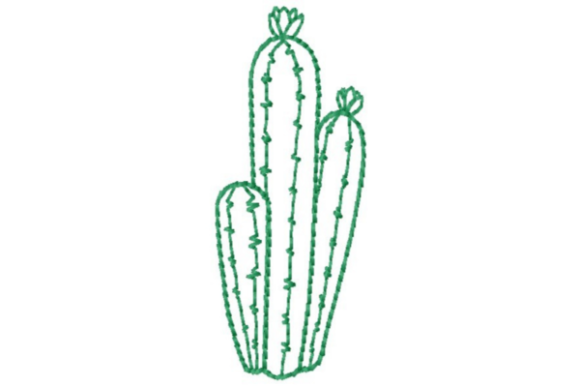
This is not just another generic plant motif. The Cactus Group Outline belongs to the Outline Flowers category, but it transcends simple floral expectations by offering a structured, graphic quality that appeals to modern tastes. For those of us running a craft business or selling on platforms like Etsy, finding designs that stitch cleanly and look professional on a variety of fabrics is essential. Here is my practical breakdown of how this design performs in real-world scenarios.
First Impressions and Visual Personality
The immediate mood created by this design is calm and organic. Unlike dense fill patterns that can feel heavy on lightweight fabric, an outline-based approach relies on negative space. This gives the Cactus Group Outline a breathable, airy feel. The shapes are distinct, capturing the unique silhouettes of succulents without getting bogged down in excessive detail. This is crucial because, in embroidery, less is often more. Too many tiny details can lead to thread breaks or muddy results, especially on textured materials.
From a layout perspective, the grouping feels natural. It does not look like random clip-art pasted together; rather, it resembles a small, curated garden. This makes it ideal for projects where you want a touch of nature without overwhelming the garment or item. For an Etsy seller, this visual simplicity translates well into printable mockups and digital previews, as the design remains legible even at smaller thumbnail sizes.
Real-World Application: The Tote Bag Test
To truly evaluate a design, you must imagine it on a finished product. I recently considered using this pattern for a custom order of canvas tote bags. Canvas is a sturdy fabric, but it has a visible weave. Dense designs can sometimes pull or pucker on such material if the stitch density is not managed well. Because the Cactus Group Outline utilizes primarily running stitches and open outlines, it sits beautifully on canvas. It does not fight the texture of the fabric; instead, it complements it.
I envisioned stitching this in a deep sage green or a terracotta thread color to enhance the southwestern accent mentioned in the product description. On a neutral beige or white tote, the contrast would be sharp and modern. For a darker navy bag, a metallic gold or bright cream thread would make the cacti pop. This versatility is a huge asset for small shop products where you need one design to work across multiple colorways.
Apparel and Custom Gifts
Beyond home goods, this design shines in custom apparel. Imagine this stitched on the left chest of a denim jacket or the hem of a linen apron. The scale appears appropriate for these placements. It is not so large that it dominates the garment, nor so small that it gets lost. For baby embroidery, such as on a muslin swaddle or a onesie, the soft curves of the succulents are gentle and appealing. However, always test on scrap fabric first. Baby items require softness, and you must ensure the back of the stitching does not irritate sensitive skin.
For holiday embroidery or personalized gifts, this design offers a neutral theme that works year-round. It is not tied to a specific season, which increases its value as a design asset for your inventory. You can market it as a housewarming gift, a birthday present for a plant lover, or a unique addition to a wedding registry.
Technical Considerations and Stitching Advice
While the design is robust, there are technical aspects to consider before hitting the start button. Since this is an outline design, the stability of your stabilizer is paramount. Without a solid foundation, outline stitches can shift or distort, ruining the clean lines. I recommend using a cut-away stabilizer for stretchy fabrics like t-shirts and a tear-away for woven materials like tea towels or pillow covers.
Pay close attention to thread colors. In outline designs, the thread carries the entire visual weight. There is no fill stitch to hide imperfections. Use high-quality rayon or polyester threads that have a slight sheen to add dimension. Matte cotton threads can look flat on outline work unless you are aiming for a rustic, vintage aesthetic. Also, check your tension. Loose tension can cause loops that disrupt the smooth flow of the cactus spines and curves.
Be cautious with very small hoop sizes. While the design is scalable, shrinking it too much can cause the individual cactus shapes to merge, losing their definition. Always view the design at 100% zoom in your software to ensure the gaps between elements remain clear. If you are stitching on curved surfaces like caps, use a cap frame and consider reducing the size slightly to prevent distortion around the seam.
Commercial Viability and Brand Consistency
For commercial embroidery professionals, consistency is key. The Cactus Group Outline offers a reliable look that can become part of your brand identity. Whether you are creating embroidered patches for a boutique or adding accents to sweatshirt embroidery collections, this design maintains its integrity. It signals professionalism because it is clean and intentional.
However, always verify the licensing terms. The product description notes that it comes with multiple embroidery files, which suggests compatibility with various machines, but it does not explicitly state commercial rights. Before selling finished products or using this in client work, confirm that your license allows for commercial use. This protects your craft business and ensures you are respecting the creator’s intellectual property.
Final Verdict
The Cactus Group Outline is a strong addition to any designer’s library. It bridges the gap between trendy southwestern decor and timeless botanical art. It performs well on a variety of fabrics, from sturdy canvas to soft knits, provided you use the correct stabilizer and thread choices. It is particularly effective for personalized gifts and small business merchandise where a clean, modern aesthetic is desired.
Do not let the simplicity fool you. Executing a clean outline requires precision, but the result is a sophisticated, high-value look that customers appreciate. Whether you are decorating tea towels, creating tote bag designs, or embellishing garden aprons, this design delivers. Just remember to test on scraps, check your tension, and enjoy the process of bringing these little succulents to life.