Vanilla Dessert Donut: A Designer’s Stitch Review
As a designer who has spent countless hours digitizing and stitching out thousands of motifs, I approach every new machine embroidery design with a mix of curiosity and skepticism. We have all seen those cute, whimsical graphics that look perfect on a screen but turn into a tangled mess of thread breaks and puckering on the hoop. When I first loaded the Vanilla Dessert Donut file into my software, I was looking for more than just cuteness; I was looking for structural integrity and commercial viability.
This review is not about hype. It is about how this specific embroidery file performs when you are trying to meet a deadline for a client or stock your Etsy shop with high-quality, durable goods. Let’s break down why this design works, where it shines, and what you need to watch out for before you hit the start button.
First Impressions: Mood and Visual Personality
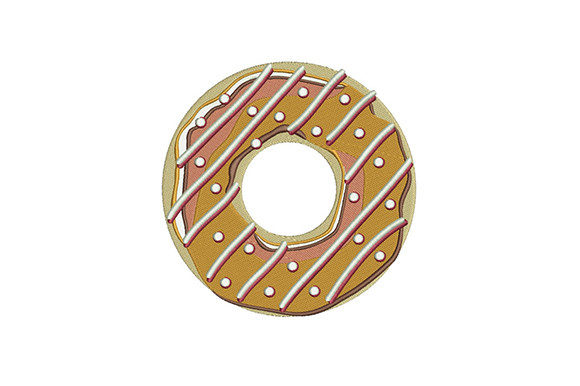
The immediate vibe of the Vanilla Dessert Donut is playful yet polished. It captures that cozy, sweet aesthetic that dominates current home decor and apparel trends. The shape is recognizable instantly, which is crucial for quick consumer recognition in a crowded marketplace. Unlike overly complex designs that rely on tiny, fragile details, this motif feels robust. The layout suggests a balance between solid fill areas and open space, which is essential for maintaining fabric drape.
For those of us creating design assets for small businesses, the "fun and easy to stitch" promise is significant. It implies that the digitizer prioritized stitch flow over unnecessary complexity. This usually translates to fewer jumps, cleaner trims, and a faster run time—three factors that directly impact your profit margin if you are running a craft business.
Real-World Application: From Mockup to Finished Product
To truly evaluate an embroidery project, I mentally place it on various substrates. I recently worked on a batch of custom canvas tote bags for a local bakery. The Vanilla Dessert Donut would have been an ideal candidate for that job. Its rounded edges and likely use of fill stitch techniques provide excellent coverage on textured canvas without getting lost in the weave.
Beyond totes, consider sweatshirt embroidery. Crewnecks and hoodies are staples for winter sales. This design’s theme fits perfectly with the comfort-food aesthetic popular in loungewear. Because it is described as high quality, I anticipate it holds up well against the fluffy texture of fleece or French terry, provided you use the right stabilizer. It also translates beautifully to baby embroidery projects. Think bibs or onesies; the soft, dessert-inspired imagery appeals to parents looking for gender-neutral, cheerful gifts.
If you are an Etsy seller focusing on kitchen linens, this design is a natural fit for tea towels and aprons. The visual appeal here drives buyer engagement because it evokes a sense of warmth and hospitality. It is not just a logo; it is a mood. That emotional connection is what turns a browser into a buyer.
Technical Considerations and Fabric Compatibility
While the description states it will look great stitched onto any fabric, experienced embroiderers know that context matters. Here is how I would approach different materials with this design:
- Cotton and Canvas: Ideal. The stitch density likely sits well on these stable fabrics. Use a medium-weight cut-away stabilizer for garments that will be washed frequently, ensuring the design does not distort over time.
- Stretchy Knits: Proceed with caution. If you are putting this on a t-shirt, you must use a hoop frame or magnetic hoop to prevent distortion. A poly-mesh cut-away stabilizer is non-negotiable here to support the weight of the threads.
- Dark Fabrics: Check your thread colors. If the design relies on light vanilla tones, ensure you have high-quality rayon or polyester threads that offer good coverage. You may need to adjust the underlay stitches if your machine allows, to prevent the dark fabric from peeking through.
- Curved Surfaces: For caps or hats, ensure the design size fits within the curved area of the cap frame. Flat designs can sometimes pucker on curved surfaces if the density is too high.
One critical note: always test the design on scrap fabric first. This is the golden rule. Check for thread breaks, especially in tight corners or where color changes occur. Inspect the back of the stitching to ensure there is no excessive buildup that could irritate skin if used on baby items or apparel.
Commercial Viability and Brand Consistency
For commercial embroidery and small shop products, consistency is key. The Vanilla Dessert Donut offers a versatile asset that can be scaled for different applications without losing its charm. Whether you are creating a large patch for a jacket or a small accent for a pillow cover, the design’s clarity remains intact.
When building a brand, your finished product reflects your professionalism. A clean, well-digitized design signals quality to your customers. It builds trust. If you are selling personalized gift items, adding a name below this donut motif could create a highly marketable item. However, keep lettering simple to match the playful nature of the main graphic.
Before listing any items for sale, confirm the licensing terms. The product description mentions it comes with multiple embroidery files, which is standard for professional packs, but always verify if the license covers unlimited physical sales or if there are restrictions on digital redistribution. Never assume; always read the included documentation.
Final Verdict for Makers and Designers
The Vanilla Dessert Donut is more than just a cute graphic; it is a practical tool for creators. It bridges the gap between whimsical art and technical reliability. For hobbyists, it offers a satisfying stitch-out with minimal frustration. For entrepreneurs, it provides a versatile design element that can elevate custom apparel, home decor, and accessories.
Remember to check the specific hoop size requirements included in your download package. Ensure your machine is compatible with the file formats provided. By taking these preliminary steps, you ensure that your handmade product not only looks beautiful but stands the test of time and wear.
In a market flooded with generic designs, choosing high-quality, thoughtfully digitized files like this one sets your work apart. It allows you to focus on creativity and customer service, knowing that the technical foundation of your embroidery is solid. Happy stitching!