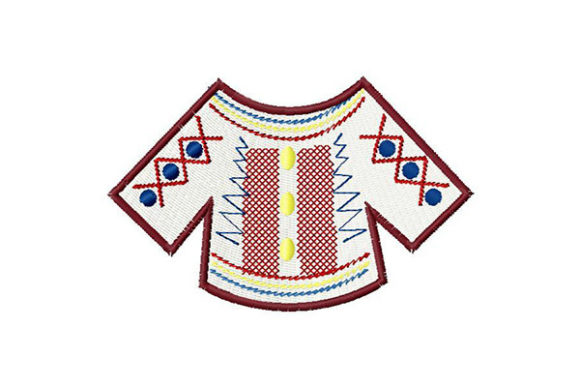
Traditional Women Shirt: A Designer’s Review
As an embroidery designer who has spent years digitizing patterns for small businesses, I approach every new machine embroidery design with a critical eye. It is not just about aesthetics; it is about functionality, durability, and brand alignment. When I first encountered the Traditional Women Shirt, my immediate question was not whether it looked pretty, but whether it could carry the weight of a professional brand identity. This review explores how this specific design performs in real-world commercial applications, from boutique merchandise to staff uniforms.
First Impressions and Visual Personality
The title Traditional Women Shirt suggests a classic, perhaps vintage-inspired aesthetic. In the world of Fashion and Embroidery, "traditional" often implies elegance, timelessness, and a touch of rustic charm. Upon reviewing the digital files, the design feels less like a modern, bold logo and more like a decorative accent that adds warmth and personality. It strikes a balance between being handmade and premium, which is exactly what many Etsy sellers and creative studios are looking for today.
For a small business owner, this visual personality is crucial. If you run a floral shop, a bakery, or a boutique hotel, your branding needs to feel welcoming and authentic. This design does not scream for attention with aggressive lines; instead, it invites closer inspection. It feels friendly yet sophisticated, making it an excellent choice for brands that want to project trust and quality without appearing cold or corporate.
Real-World Business Applications
The true test of any digital embroidery file is its versatility across different products. Here is how I envision the Traditional Women Shirt performing in various commercial scenarios:
- Embroidered Patches: This is arguably the strongest use case. The design’s intricate details can shine when isolated on a twill or felt background. Patches are low-risk, high-reward items for small business merch because they can be applied to jackets, bags, or hats later, offering flexibility to the end customer.
- Staff Uniforms and Aprons: For cafes and creative studios, apron embroidery is a subtle way to build brand recognition. Placing this design on the chest pocket area of a canvas apron adds a touch of artisanal credibility. It tells customers that care goes into every detail, from the coffee to the clothing.
- Tote Bag Design: Canvas tote bags are a staple for retail shops. The Traditional Women Shirt works well as a central motif or a corner accent. Because canvas has a distinct weave, the design needs to have sufficient spacing to avoid sinking into the fabric, which we will discuss in the technical notes.
- Cap Embroidery: While possible, using this on caps requires caution. The curved surface of a cap front can distort detailed traditional patterns. It is best suited for larger dad hats rather than structured snapbacks, where the flat panel offers more stability for the stitch work.
Technical Considerations for Production
Before running a full production batch, there are several technical factors to evaluate. The product description states that this embroidery file comes with multiple formats, which is essential for compatibility with various machine brands. However, as a designer, I must advise you to check the specific stitch count and recommended hoop size before purchasing or producing.
Stitch density is a critical factor. Traditional designs often rely on dense satin stitches or complex fill patterns to achieve their look. If the density is too high for lightweight fabrics, you risk puckering or fabric distortion. Always test the design on a scrap piece of the exact material you intend to use. For delicate fabrics, a cut-away stabilizer is non-negotiable to maintain the integrity of the finished product.
Another consideration is thread colors. Traditional designs often look best with muted, earthy tones or classic monochromatic schemes. However, if your brand identity relies on bright, neon colors, you may need to adjust the color sequence in your software. Test the design in black and white first to ensure the contrast holds up. If the details disappear in grayscale, they will likely get lost on dark uniforms or busy fabric texture.
Brand Identity and Customer Trust
Why does the choice of design matter for your bottom line? Because consistent, high-quality design assets build customer trust. When a client receives a handmade product with a crisp, well-executed embroidery, it validates the price point. The Traditional Women Shirt design contributes to a narrative of craftsmanship. It signals that your business values tradition and quality, which can significantly enhance buyer engagement.
For Etsy sellers and merch creators, this design can serve as a unifying element across your product line. Using the same embroidery on a tote bag, a patch, and a shirt creates visual consistency. This consistency helps customers recognize your brand instantly, even in a crowded marketplace. It transforms a simple item into a piece of custom apparel that fans want to wear and share.
Practical Designer Notes for Small Businesses
To ensure success with this design, follow these practical steps before launching your small business merch campaign:
- Create a Printable Mockup: Before stitching a single thread, use software to place the design on a photo of your actual product. This helps visualize scale and placement, ensuring it does not look too small or overwhelming.
- Check Commercial Licensing: The description mentions it can be used in multiple projects, but always confirm the specific license terms. Ensure you have the right to sell finished products featuring this design, especially if you are doing commercial embroidery for clients.
- Test on Curved Surfaces: If you plan to use this on caps or rounded tote bags, run a test stitch. Check for gaps or pulls that might occur due to the curvature.
- Evaluate Wash Durability: Items like aprons and work shirts undergo frequent washing. Ensure the stitch structure is secure and that the thread quality matches the garment’s care instructions.
- Compare with Other Assets: Place this design beside your existing logo or branding elements. Does it complement them, or does it clash? Harmony in design leads to a stronger brand identity.
In conclusion, the Traditional Women Shirt is a versatile and evocative addition to any embroidery library. It is not just a decorative element; it is a tool for storytelling. By understanding its strengths in patch work and apparel accents, and by respecting its technical requirements regarding stabilizer and fabric choice, small business owners can leverage this design to create memorable, high-value merchandise. Whether you are decorating aprons for a local bakery or creating branded patches for a boutique, this design offers the classic appeal needed to stand out in the competitive world of handmade goods.