Thermometer Design Review for Small Business Merch
As an embroidery designer who has spent years digitizing and reviewing files for commercial use, I approach every new machine embroidery design with a critical eye. It is not just about whether the art looks cute on a screen; it is about how that art translates to fabric, withstands washing, and elevates a brand. Today, I am reviewing the Thermometer Design, a playful addition to the Work category that promises to bring charm to your branded merchandise. While this piece might not measure temperature, its potential to measure up in customer engagement is worth analyzing for small business owners, Etsy sellers, and apparel decorators.
First Impressions and Visual Personality
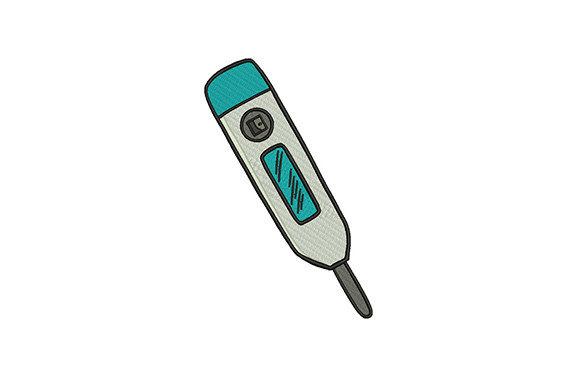
The initial appeal of the Thermometer Design lies in its approachable aesthetic. Based on the description, this is not a sterile, medical-grade graphic but a "cute" interpretation intended to look nice and feel friendly. For businesses in the creative sector—such as bakeries, florists, pet brands, or boutique studios—this visual personality is crucial. It signals warmth and approachability rather than clinical precision.
When evaluating this for brand identity, consider how this playful tone aligns with your existing assets. If your brand is modern and minimalist, this design might serve as a whimsical accent. If your brand is rustic or handmade-focused, the organic feel of embroidery complements that narrative perfectly. The key is consistency. A design that feels too juvenile might clash with a high-end luxury label, but for a local café or a craft shop, it adds the human touch that customers crave.
Real-World Applications for Small Business Merch
The versatility of this digital embroidery file makes it a strong candidate for various small business merch items. Here is how I envision it performing in real-world scenarios:
- Embroidered Patches: This is perhaps the strongest use case. A thermometer motif works beautifully as an iron-on or sew-on patch for tote bags and denim jackets. It allows customers to add a unique flair to their own items, increasing the perceived value of your handmade product.
- Staff Uniforms and Aprons: For cafes and bakeries, apron embroidery is a subtle yet effective branding tool. Placing this design on the chest pocket or lower corner of an apron adds character without overwhelming the uniform. It turns staff into brand ambassadors who look professional yet approachable.
- Cap Embroidery: A small version of this design on the front or side of a cap can be a hit. However, curvature is a challenge. Ensure the design is simplified enough to maintain clarity on the curved surface of a baseball cap or beanie.
- Tote Bag Design: Canvas totes are staples for creative businesses. Embroidering this design directly onto the bag offers a premium alternative to screen printing. The texture of the thread against the canvas creates a tactile experience that buyers love.
Technical Considerations and Stitch Density
Before running this design on your machine, you must address technical constraints. The description notes that the design comes with multiple options, which is excellent for flexibility. However, you must verify the stitch density. High-density designs can cause puckering, especially on lighter fabrics like cotton tees or thin canvas. Conversely, low-density designs may lack definition on textured materials.
I always recommend testing the embroidery file on scrap fabric first. Pay close attention to the thread colors you choose. Since this is a thermometer, traditional reds and whites are obvious, but consider your brand palette. A pastel pink or mint green might soften the look for a children’s boutique, while bold primary colors could work for a school supply store. Always check the contrast between the thread and the fabric. On dark uniforms, ensure the design has enough light-colored stitching to remain visible from a distance.
Challenges with Small Sizes and Curved Surfaces
One area where designers often stumble is scaling. If you plan to use this as a tiny chest logo or a small patch, examine the details. Does the design have fine lines or small text that might merge when shrunk? If the thermometer has intricate markings, they may disappear at smaller sizes. In such cases, simplify the design or increase the size. For cap embroidery, avoid placing complex details near the seam where the hoop tension changes, as this can distort the image.
Additionally, consider the hoop size required. Ensure your machine can accommodate the largest version of the design if you plan to offer it on larger items like back-panel jacket embroidery. If the design is large, you may need to split it or use a multi-hooping technique, which requires advanced skills and precise alignment.
Enhancing Brand Identity and Customer Trust
Using custom embroidery like the Thermometer Design does more than decorate; it builds trust. A well-executed embroidered logo signals quality and attention to detail. Customers associate the durability of thread with the durability of your brand. When they see a neatly stitched design on a tote bag or apron, they perceive the product as higher value than a printed equivalent.
This perception directly impacts buyer engagement. Unique, textured designs stand out in online marketplaces like Etsy. When creating printable mockup images for your store, show the design on various textures to highlight its dimensionality. This helps customers visualize the finished product and increases conversion rates. Furthermore, consistent use of this design across different design assets—from patches to packaging accents—creates a cohesive visual language that strengthens brand recognition.
Practical Designer Notes for Production
To ensure success with this commercial embroidery project, follow these practical steps:
- Test in Black and White: Before committing to colored threads, stitch the design in black thread on white fabric. This reveals any issues with spacing, density, or detail loss without the distraction of color.
- Check Stabilizer Requirements: Use the appropriate stabilizer for your fabric type. Cut-away stabilizer is best for stretchy fabrics like t-shirts, while tear-away works for stable woven fabrics like canvas or denim. Incorrect stabilization leads to puckering and distortion.
- Verify Commercial Licensing: The description mentions the design comes with multiple options, but it does not explicitly state license terms. Always confirm that you have the right to use this digital embroidery file for commercial purposes before selling items featuring it. Protect your business by keeping records of your license agreements.
- Create Client Mockups: If you are producing these for a client, create a digital mockup showing the design on their specific garment. This manages expectations and allows for adjustments before production begins.
- Compare with Other Assets: Place the stitched sample next to your other branded items. Does it fit visually? Is the scale consistent? Adjust as needed to maintain a professional presentation.
In conclusion, the Thermometer Design offers a charming and versatile option for small businesses looking to add personality to their merchandise. By carefully considering technical details like stitch density and fabric compatibility, and by strategically applying the design to items like patches, aprons, and caps, you can create high-value products that resonate with customers. Remember, the goal is not just to embroider a image, but to embed your brand’s identity into every stitch. With proper testing and attention to detail, this design can become a staple in your custom apparel and accessory lineup.