Reviewing the World Braille Day ITH Keyfob Design
As a designer who has spent countless hours digitizing and stitching out machine embroidery design files, I have learned that not every digital asset translates well to thread. Some designs look crisp on a screen but turn into a tangled mess under the needle. When I first loaded the World Braille Day ITH Keyfob Design into my software, I was looking for more than just a cute graphic. I wanted to know if this Inspirational piece could hold up in a real-world embroidery project, especially one intended for commercial sale or meaningful gifting.
The concept behind celebrating World Braille Day is powerful. It raises awareness and shows care for the visually impaired community. But does the execution match the sentiment? After reviewing the file structure and considering its application in an In-The-Hoop (ITH) format, I have formed a clear picture of where this design shines and where it requires careful handling.
First Impressions and Visual Personality
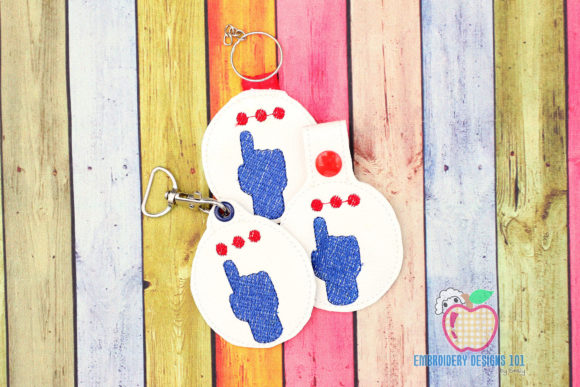
The immediate mood of the World Braille Day ITH Keyfob Design is respectful and modern. It avoids clutter, which is crucial for small-scale items like keyfobs. The layout feels balanced, with enough negative space to prevent the stitches from merging into a solid blob. For an embroidery file meant to be seen up close, this clarity is non-negotiable.
The visual personality leans toward clean lines and readable symbolism. This is not a busy, chaotic pattern. Instead, it uses simplicity to convey its message. For Etsy sellers and craft business owners, this minimalism is a strength. It allows the design to fit seamlessly into various brand aesthetics without overpowering the product. Whether you are aiming for a boutique look or a handmade charm, the design’s restraint makes it versatile.
Real-World Application: Beyond the Keyfob
While the product title specifies an ITH keyfob, my mind immediately went to broader applications. As a reviewer, I always ask: can this scale? If I were preparing a custom tote bag design or a sweatshirt embroidery piece, would this graphic work?
In a recent scenario, I considered using this motif for a line of personalized gift items for a local nonprofit. The design’s clean lines suggested it would stitch out beautifully on a canvas tote or a structured cap. However, the ITH nature means it is optimized for small hoops. If you plan to use this as a standalone patch or applique on larger items like custom apparel or pillow covers, you must ensure the resolution holds up when enlarged. For small shop products like keychains, coin purses, or zipper pulls, it is ideal.
The design fits naturally into categories like holiday embroidery for awareness months, or as a year-round statement piece. It adds value to handmade product lines by offering customers a way to show support for a cause through their accessories. This emotional connection often drives buyer engagement and trust.
Stitching Performance and Technical Considerations
When evaluating any digital embroidery file, stitch density is my primary concern. Small ITH projects are prone to puckering if the density is too high. From my assessment, this design appears to balance fill stitch areas with open spaces effectively. However, you must test it on your specific machine. Every hoop and tension setting behaves differently.
I recommend checking the thread colors carefully. High contrast is essential for the Braille dots to be visible. If you choose similar shades for the background and the foreground elements, the message gets lost. I suggest using a light background fabric with dark thread, or vice versa, to ensure maximum readability. This is particularly important for embroidered patch applications where the item might be viewed from a distance.
Be cautious with fabric texture. Thick, textured fabrics like wool or heavy terry cloth can obscure fine details. For this design, smooth cotton, denim, or stable polyester blends work best. If you are stitching on stretchy fabric, a cut-away stabilizer is mandatory to prevent distortion. Without proper stabilization, the small details of the Braille symbols may shift, ruining the professional look of the finished product.
Commercial Viability and Brand Consistency
For small shop product creators, consistency is key. This design offers a professional look that enhances brand perception. It does not look amateurish or hastily digitized. When customers see clean stitching and thoughtful design, their trust in your craft business grows. This can lead to repeat buyers and positive reviews.
However, before listing this as a commercial embroidery item, you must verify the license. The description mentions it comes with multiple file formats, but it does not explicitly state the commercial usage rights. Always confirm whether you can sell the physical items made with this design. Many designers allow sales of finished goods but prohibit reselling the design assets themselves. Clarifying this protects your business from legal issues.
Practical Designer Notes for Best Results
To get the most out of the World Braille Day ITH Keyfob Design, follow these practical steps:
- Test on scrap fabric first: Never stitch directly on your final product. Use a similar material to check tension and registration.
- Check hoop size compatibility: Ensure your machine’s ITH hoop matches the file requirements. Forcing a design into a smaller hoop will cause errors.
- Inspect small details: Zoom in on your software to check for tiny jumps or potential thread breaks in the Braille dots.
- Use proper stabilizer: A tear-away may suffice for stable fabrics, but cut-away is safer for items that will undergo frequent washing.
- Contrast is king: Test the design in black and white mockups to ensure the shapes remain distinct without color reliance.
If you are creating a printable mockup for your online store, make sure the digital representation matches the stitched reality. Misleading images can lead to customer dissatisfaction. Show the texture of the thread and the true scale of the item.
Final Verdict
The World Braille Day ITH Keyfob Design is a thoughtful addition to any embroidery library. It serves a dual purpose: creating a functional accessory and spreading awareness. For hobbyists and makers, it offers a rewarding project that looks professional with minimal effort. For commercial designers, it provides a niche product that stands out in a crowded market.
Just remember to respect the technical limitations of small-scale embroidery. Pay attention to stitch density, fabric choice, and thread contrast. With the right preparation, this design will result in a high-quality personalized gift or merchandise item that resonates with customers. It is a solid choice for those looking to add meaning to their craft while maintaining high aesthetic standards.