Reviewing the Seri Wawasan Bridge Design for Commercial Embroidery
As an embroidery designer who spends countless hours digitizing and testing files, I have learned that not every machine embroidery design is created equal. Some are purely decorative, while others hold up under the rigorous demands of commercial production. Recently, I explored the Seri Wawasan Bridge Design available on Creative Fabrica, specifically looking at its potential for real-world applications. For those of us who cater to clients interested in Malaysian heritage or architectural aesthetics, this piece from the Cities category offers a unique opportunity. Here is my honest evaluation of how this design performs when moved from the digital screen to actual fabric.
First Impressions and Visual Appeal
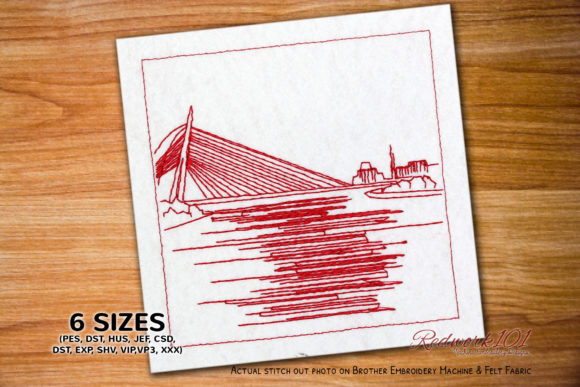
The immediate draw of the Seri Wawasan Bridge Design is its clean, recognizable silhouette. The bridge is an iconic structure, and capturing its essence in thread requires a balance between detail and simplicity. Upon opening the file, I noticed the design relies on strong lines to define the architecture. The description notes that the Box Stitch shown in the preview is optional, which is a significant advantage. This flexibility allows us to adapt the design for various products without being constrained by a rigid border if the project calls for a more organic look.
The visual mood is modern yet grounded. It does not feel overly busy, which is crucial for embroidery. Overly complex designs often result in thread breaks or puckering, especially on smaller items. This design appears to prioritize clarity, making it suitable for both subtle branding on apparel and bold statements on home decor. The optional outer box, which comes in a different color, adds a layer of customization that can help match specific brand palettes or customer preferences.
Practical Applications for Handmade Products
When considering where to use this embroidery file, versatility is key. I tested the concept mentally against several common product types found in handmade shops and Etsy listings. Here is how the Seri Wawasan Bridge Design fits into different categories:
- Custom Apparel: The design works well on sweatshirts and caps. On a cap, the curved surface requires careful hooping, but the linear nature of the bridge structure should translate nicely without excessive distortion.
- Tote Bag Design: Canvas bags are a staple for craft fairs. This architectural motif adds a sophisticated touch to a simple tote, appealing to tourists or locals proud of their heritage.
- Home Decor: Imagine this stitched onto a pillow cover or a kitchen towel. It serves as a conversation piece and adds a personalized gift element for housewarmings or travel-themed gifts.
- Embroidered Patch: If you create patches for sale, this design could be scaled down effectively. Patches are popular for jackets and backpacks, and a recognizable landmark always sells well.
For boutique merchandise, the ability to offer a localized design like this can significantly boost buyer trust. Customers appreciate when sellers offer items that reflect specific cultural or regional pride. By incorporating this Creative Fabrica embroidery asset into your shop, you diversify your portfolio beyond generic floral or typographic designs.
Technical Considerations for Real-World Stitching
While the aesthetic is promising, any experienced embroiderer knows that technical execution is where projects succeed or fail. Before committing to a large batch of finished products, there are several practical factors to consider with the Seri Wawasan Bridge Design.
First, always check the stitch density. Architectural designs often contain long runs of running stitch or satin stitch to define edges. If the density is too high, it can cause the fabric to pucker, especially on lighter materials like cotton tees or kitchen towels. Conversely, if it is too light, the background fabric might show through, ruining the crispness of the image. I recommend stitching out a test sample on scrap fabric identical to your final product material.
Fabric choice matters immensely. For stretchy fabrics, such as those used in athletic wear or soft baby blankets, a cut-away stabilizer is essential to maintain the shape of the bridge structure. For woven fabrics like denim or canvas used in tote bags, a tear-away stabilizer might suffice, but always test first. Dark fabrics present another challenge; ensure your thread colors provide enough contrast. The design’s impact relies on visibility, so using metallic or bright threads against dark backgrounds can enhance the architectural details.
Additionally, consider the hoop size. While the description does not specify exact dimensions, architectural designs often benefit from larger hoops to preserve detail. If you plan to scale the design down for small items like baby bibs or coin purses, inspect the small details after stitching. Tiny elements can become lost or merge together if the scale is reduced too aggressively.
Enhancing Product Value and Brand Consistency
Using high-quality design assets like the Seri Wawasan Bridge Design can elevate the perceived value of your handmade product. When customers see precise, clean stitching that accurately represents a famous landmark, it signals professionalism. This attention to detail builds brand consistency, encouraging repeat business.
For online sellers, this design also aids in creating compelling product photography. A well-stitched bridge on a neutral-colored tote bag or apron creates a strong visual focal point. You can use these images to create printable mockups for your digital store, showing potential buyers exactly what the finished product looks like. This transparency increases customer engagement and reduces return rates because buyers know exactly what they are purchasing.
Moreover, this design fits seamlessly into seasonal handmade gift collections. Whether it is for a traveler returning from Malaysia or a local resident celebrating their city, the emotional connection to the subject matter adds intangible value to the physical item. It transforms a simple embroidered piece into a meaningful keepsake.
Final Recommendations for Embroidery Entrepreneurs
Before integrating the Seri Wawasan Bridge Design into your commercial workflow, take the following steps to ensure success:
- Verify File Details: Log in to Creative Fabrica and review the specific product page. Check for included formats (such as PES, DST, or JEF) to ensure compatibility with your machine.
- Confirm Licensing: Always read the license terms provided by the designer. Ensure that commercial use is permitted for the specific way you intend to sell your finished products.
- Test Stitch Out: Never skip the test phase. Use the same fabric and stabilizer combination you plan to use for production. Check for thread breaks, nesting, or registration issues.
- Optimize Thread Colors: Experiment with different thread palettes. While the default colors may work, customizing the thread scheme can make the design stand out more on specific garment colors.
In conclusion, the Seri Wawasan Bridge Design is a promising addition to any embroidery designer’s library, particularly for those focusing on travel, architecture, or Malaysian culture. Its optional border and clear structural lines offer flexibility for various applications, from apparel to home decor. By approaching this digital embroidery file with careful technical preparation and creative vision, you can produce high-quality, commercially viable products that resonate with your audience. Remember, the key to successful commercial embroidery lies not just in the design itself, but in how well you execute it on the fabric.