Reviewing the Oyster Shell Pearl Applique
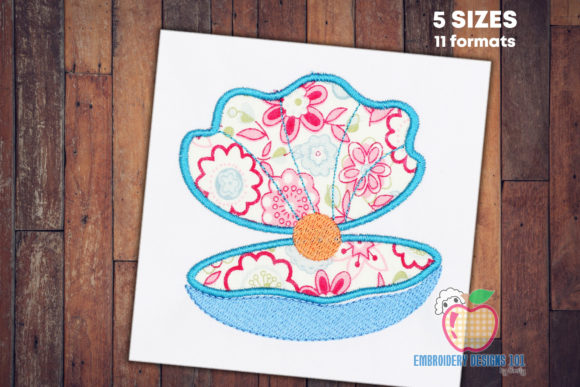
As an embroidery designer who has spent countless weekends standing behind booth tables, watching customers walk by and stop, I have learned that visual impact is everything. When I first loaded An Oyster Shell with the Pearl Applique into my software, I was looking for more than just a pretty picture. I was looking for a design that would translate into a best-selling craft fair product. The immediate impression is one of understated elegance mixed with coastal charm. It does not scream for attention with neon brightness; instead, it invites curiosity. This is a design that feels premium, suitable for boutique makers who want to elevate their handmade product line beyond the typical rustic or farmhouse aesthetics.
Why This Design Stops the Scroll and the Foot Traffic
In a crowded market, whether digital or physical, clarity is king. The concept of an oyster revealing a pearl is universally understood. There is no need for explanation. For an Etsy seller or a local vendor, this means the design communicates value instantly. The applique technique used in An Oyster Shell with the Pearl Applique adds texture and dimension that flat satin stitches simply cannot achieve. When displayed on a table, the layered fabric of the shell creates shadows and depth that catch the eye from three feet away.
This design fits seamlessly into several trending niches. It appeals to beach lovers, bridal parties looking for unique gifts, and anyone drawn to natural motifs. While it falls under the broad category of Fish or sea life, it transcends the typical nautical clichés. It feels sophisticated enough for a high-end home decor item yet playful enough for a child’s accessory. This versatility is crucial for maximizing your return on investment when purchasing a digital embroidery file.
Strategic Product Placement for Maximum Sales
To truly evaluate the potential of this design, we must look at where it lives best. Not every canvas is created equal, and An Oyster Shell with the Pearl Applique has specific strengths depending on the substrate.
- Tote Bags and Market Bags: This is perhaps the strongest application. A canvas tote provides a large, flat surface that allows the 8-inch version of the design to shine. The contrast between the rough canvas fabric texture and the smooth satin finish of the pearl creates a tactile experience that buyers love to touch.
- Apron Embroidery: For kitchenware, placing this design on the bib of a linen apron adds a touch of whimsy. It suggests a love for cooking fresh seafood or simply enjoying coastal living. It transforms a utilitarian item into a small shop product that feels giftable.
- Tea Towel Embroidery: Using the smaller 4-inch or 5-inch sizes works beautifully here. However, you must be mindful of the towel's weave. A tight-weave flour sack towel is ideal, whereas a loose terry cloth might cause registration issues with the applique pieces.
- Embroidered Patches: Creating iron-on or sew-on patches allows customers to customize their own jackets or bags. This is a low-cost, high-margin item that moves quickly at fairs.
When considering caps or curved surfaces, proceed with caution. The detailed nature of the shell edges requires a stable hoop. If you choose to embroider on a cap, ensure you are using the appropriate backing and that the design size does not distort over the curve. For pillow covers, the larger 8x8 or 8x12 hoop sizes allow the design to act as a central focal point, especially if paired with solid, neutral-colored linens.
Production Realities and Technical Considerations
Before you commit to batch production, there are practical elements to consider. The description notes that An Oyster Shell With The Pearl In It Applique Machine Applique Design comes in 5 Sizes 4in to 8in suitable for hoop sizes 4×4, 5×7, 6×10, 8×8 and 8×12. This range is excellent for scalability. However, always check the detailed stitch count and sizes provided in the product files before hitting start.
Stitch density is a critical factor. Applique designs generally have lower density than full-coverage fills, which is good for preventing puckering on lighter fabrics. However, the satin stitches outlining the shell and securing the pearl must be dense enough to look professional but not so dense that they perforate delicate fabrics. I recommend testing on scrap fabric first. Pay close attention to the transition points where the thread changes color.
Thread choice can make or break this design. For the pearl, a high-sheen rayon or metallic thread can mimic the luster of a real gem. For the shell, matte cotton or polyester threads in soft creams, grays, and taupes will provide a realistic, organic look. Avoid high-contrast neon threads unless you are aiming for a pop-art aesthetic, which may limit your customer base.
Navigating Common Pitfalls
There are a few areas where this design could fail if not handled correctly. Tiny details in the shell ridges may get lost if the fabric is too textured or fuzzy. Thick fabrics like heavy denim or wool coats require a strong cut-away stabilizer to support the weight of the applique pieces. Conversely, on slippery fabrics like silk or satin, use a tear-away stabilizer with a topping to prevent the machine from eating the fabric.
Another consideration is the "readability" at smaller sizes. The 4-inch version is cute, but ensure the pearl remains distinct from the shell interior. If the contrast is too low, the design becomes a muddy blob from a distance. Always create at least one real mockup before listing it as a finished product online. Photograph it in natural light to see how the shadows play across the applique layers.
Building Brand Consistency and Value
Using An Oyster Shell with the Pearl Applique consistently across your product line helps build brand recognition. Imagine a customer buying a tote bag, then returning for a matching tea towel and patch. This cohesion signals professionalism. It tells the buyer that you are not just stitching random images, but curating a collection.
For those creating printable mockups for their Etsy listings, this design photographs exceptionally well. The clean lines and defined shapes render clearly in digital images, reducing the likelihood of customer confusion. It serves as a strong anchor for design assets in your marketing materials, allowing you to create themed collections around ocean, wedding, or luxury lifestyle keywords.
Remember, when selling items made with this machine embroidery design, you must confirm commercial licensing terms. Most designers allow finished products to be sold, but restrictions often apply to sharing the digital file itself. Respect these boundaries to maintain integrity in the creative community.
In conclusion, An Oyster Shell with the Pearl Applique is a versatile, high-potential asset for any embroidery business. It balances aesthetic appeal with production practicality. By choosing the right fabrics, optimizing your hoop size selection, and paying attention to thread contrast, you can turn this digital file into a tangible revenue stream. Whether you are a seasoned commercial embroidery pro or a weekend warrior at the local craft fair, this design offers the quality and charm that modern buyers are seeking.