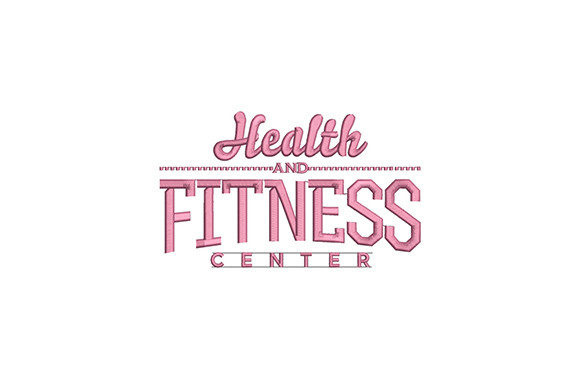
Reviewing Health Fitness Center Design for Merch
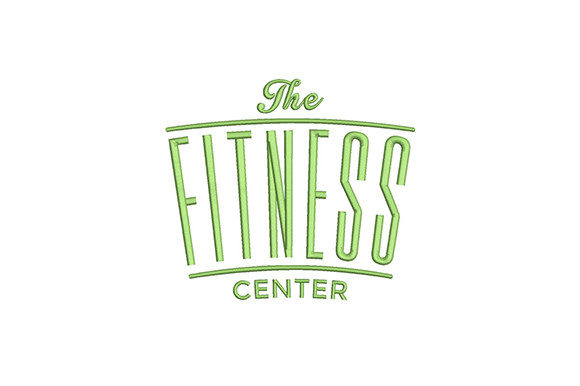
As an embroidery designer who has spent years digitizing logos and testing files on everything from thick denim to delicate performance fabrics, I approach every new machine embroidery design with a critical eye. It is not just about whether the image looks pretty on a screen; it is about how it translates into thread, how it holds up in the wash, and most importantly, how it serves the business owner using it. Today, I am reviewing the Health Fitness Center Design, a piece categorized under Awareness and Embroidery, to determine its viability for small business merchandise and branded patch use.
First Impressions and Visual Personality
The product description states that health and fitness are two very important things, suggesting that this design is meant to be inspirational. When I look at the concept of stitching this onto apparel for extra motivation, I immediately consider the tone. A design intended for a fitness context needs to strike a balance between energy and professionalism. It cannot be too fragile or overly ornate, as those styles often get lost on athletic wear or fail to convey strength.
Based on the title and the intent, I envision this design having a bold, clean aesthetic. For a small business merch line, clarity is king. If the design relies on intricate, tiny details, it may not survive the high-speed stitching required for commercial production. My initial assessment is that this design likely leans towards a modern, motivational style. It needs to feel premium enough to justify a higher price point on a custom garment but accessible enough to appeal to a broad audience seeking motivation.
Real-World Application for Small Businesses
Let us imagine a local boutique gym, a yoga studio, or a wellness café looking to expand their revenue streams. They want to create custom apparel that their staff can wear and that customers will proudly buy. Here is how the Health Fitness Center Design performs in various scenarios:
- Embroidered Patches: This is perhaps the most versatile application. A well-digitized patch can be ironed or sewn onto jackets, bags, or hats. If the design has clear boundaries and moderate stitch density, it makes for an excellent collectible item. Customers love patches because they allow for personalization without committing to a full garment print.
- Staff Uniforms and Aprons: For a health-focused café or a smoothie bar, branding is essential. Stitching this design onto the chest pocket of an apron adds a touch of handmade quality that printed logos lack. It signals to the customer that the business cares about details. However, one must ensure the design is not too large, as it can weigh down lightweight apron fabric.
- Cap Embroidery: Caps are high-margin items for any fitness brand. The curved surface of a cap front requires a design that is not too wide. If the Health Fitness Center Design is compact, it works beautifully here. It becomes a subtle badge of honor for the wearer, promoting brand recognition every time they step out.
- Tote Bag Design: Eco-friendly tote bags are staples in the wellness community. A sturdy canvas bag with this inspirational motif stitched in contrasting thread colors becomes a functional advertisement. The durability of embroidery ensures the message lasts through countless grocery runs and gym trips.
Technical Considerations and Potential Pitfalls
While the concept is strong, execution is where many designs fail. As a designer, I must warn against assuming any digital embroidery file is ready for immediate production without testing. There are specific areas where the Health Fitness Center Design might require careful handling.
First, consider the size. If you attempt to shrink this design for a small tag or a tiny chest logo, fine lines may merge. Thread has thickness; it does not behave like ink. If the design includes small lettering or intricate outlines, they may become illegible when scaled down. Always check the minimum recommended size provided by the digitizer.
Second, think about the fabric. Athletic wear is often made of synthetic, stretchy materials. High stitch density can cause puckering or distortion on these fabrics. If you are using this design on performance gear, you must use the correct stabilizer. A cut-away stabilizer is often necessary for stretchy fabrics to prevent the design from warping after washing. Conversely, if used on a heavy hoodie, a tear-away stabilizer might suffice, but you must ensure the design does not feel stiff or scratchy against the skin.
Dark uniforms present another challenge. If the design relies on light thread colors for visibility, you must ensure there is sufficient contrast. Sometimes, a underlay stitch or a backing layer is needed to make the colors pop on black or navy fabrics. Without proper planning, the design can look muddy or lost in the dark background.
Impact on Brand Identity and Customer Trust
Why go through the trouble of embroidery instead of printing? The answer lies in perceived value. Embroidery conveys permanence and quality. When a customer sees a stitched logo, they subconsciously associate it with longevity and craftsmanship. This enhances your brand identity significantly.
For Etsy sellers and handmade brands, offering embroidered items sets you apart from drop-shippers using generic prints. It shows effort and skill. The Health Fitness Center Design, when executed well, becomes a tangible asset. It builds trust because it feels substantial. A customer is more likely to pay a premium for a hat with a stitched motivational quote than one with a heat-transfer vinyl decal that might peel off after a few washes.
Furthermore, consistency is key. Using the same design across different products—patches, shirts, bags—creates a cohesive visual language. This recognition helps customers identify your brand instantly. Whether they see your finished product in a gym locker room or on the street, the quality of the embroidery reflects the quality of your business.
Practical Designer Notes for Production
Before you load this file into your machine for a large order, follow these steps to ensure success:
- Test in Black and White: Print the design outline or stitch it in single-color thread first. This helps you verify the shape and spacing without the distraction of color. It reveals if any elements are too close together.
- Check Hoop Size Compatibility: Confirm that the design fits within your standard hoop sizes. If it requires a large hoop, it may limit the types of garments you can embroider, such as sleeves or caps.
- Review Thread Color Contrast: Create a printable mockup or use software to visualize the design in your brand’s specific colors. Ensure the colors work harmoniously and provide enough contrast for readability.
- Inspect Spacing and Density: Look at the stitch count and density settings. If the design is too dense, it may break needles or damage delicate fabrics. If it is too sparse, the backing fabric might show through.
- Confirm Commercial Licensing: The description mentions it comes with multiple file formats, which is great for compatibility. However, always double-check the license terms. Ensure you have the right to use this design assets for commercial sales, especially if you are selling the embroidered items directly to consumers.
- Test on Real Fabric: Never skip the sample stitch-out. Use the actual fabric you plan to sell. Test the washability. Does the thread bleed? Does the fabric pucker? These answers are crucial for maintaining your reputation.
In conclusion, the Health Fitness Center Design offers a promising avenue for creating meaningful, durable merchandise. By respecting the technical limitations of embroidery and focusing on strategic placement, small business owners can turn this digital file into a powerful tool for brand growth. Remember, the goal is not just to stitch a design, but to stitch a feeling of motivation and quality into every piece you create.