Review: Classic Car Design for Craft Fair Success
As an embroidery designer who has spent countless weekends behind a booth table, I know that not every machine embroidery design is created equal. Some look stunning on a screen but fall flat in person. Others are so dense they pucker the fabric before you even finish the first hoop. When I pulled up the Classic Car Design, my immediate thought was about its potential as a high-converting craft fair product. The description promises a beautiful redwork style, which instantly signals simplicity, elegance, and broad appeal. For those of us running small shops or selling on Etsy, finding a design that balances aesthetic charm with production efficiency is the holy grail.
First Impressions: The Power of Redwork Simplicity
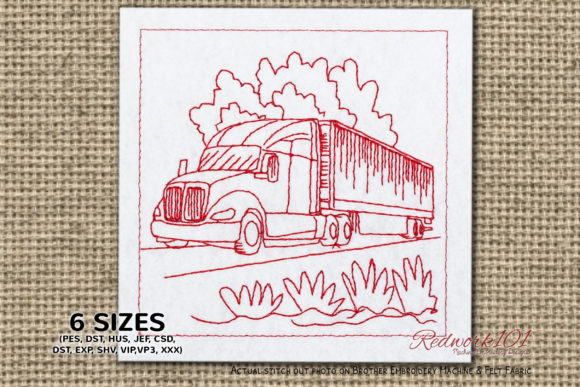
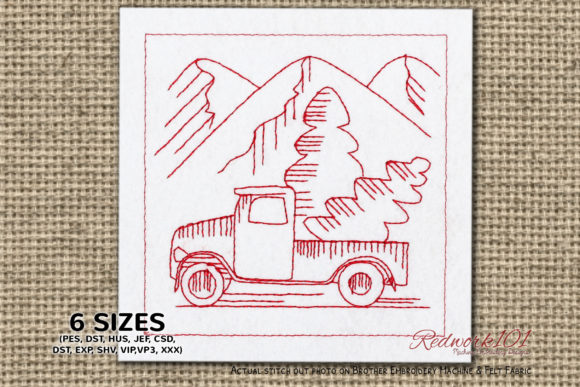
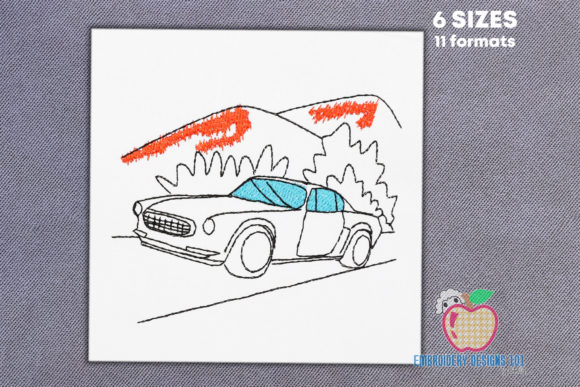
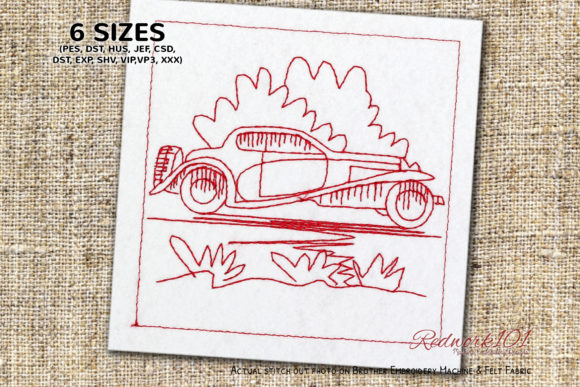
The term "redwork" carries a specific weight in the handmade community. It suggests tradition, cleanliness, and a touch of rustic farmhouse charm without being overly busy. When evaluating the Classic Car Design, the first thing that stands out is its clarity. In a crowded marketplace, customers scan tables quickly. A design that is too complex or cluttered can be missed entirely. This design, categorized under Transportation, likely features clean lines and iconic shapes that are instantly recognizable.
For a car enthusiast, this isn't just a vehicle; it is a memory. By using a redwork approach, the design avoids the pitfalls of excessive shading or tiny details that often get lost in thread. This makes it an excellent candidate for a wide range of handmade products. It feels bold yet minimal, decorative yet premium. It does not scream for attention with neon colors but invites closer inspection with its classic silhouette. This subtle confidence is exactly what drives sales in boutique settings.
Product Versatility and Market Fit
The true test of any digital embroidery file is how well it adapts to different substrates. I imagine setting up a display with this design featured across several key items. Here is where Classic Car Design truly shines:
- Tote Bags: A large-scale version of this design on a canvas tote creates an instant statement piece. It serves as a perfect tote bag design for local markets or automotive events.
- Aprons and Tea Towels: Redwork has deep roots in kitchen textiles. Using this as an apron embroidery motif or for tea towel embroidery taps into the popular farmhouse aesthetic. It adds a touch of personality to functional items.
- Embroidered Patches: Because redwork typically uses single-color thread runs, this design is ideal for creating iron-on or sew-on patches. An embroidered patch allows customers to buy a smaller, lower-price-point item that they can customize their own jackets or bags with later.
- Caps and Hats: While curved surfaces are tricky, a simplified car silhouette works well on the front panel of a dad hat or trucker cap, provided the scale is adjusted correctly.
For Etsy sellers and creative entrepreneurs, this versatility means you can create a cohesive collection. You are not just selling one item; you are selling a theme. This consistency strengthens brand identity and encourages buyers to purchase multiple items from your small shop product line.
Production Practicality for Batch Selling
When preparing for a craft fair, time is money. We need designs that stitch out reliably and quickly. The description notes that this machine embroidery design comes with multiple file formats compatible with various machines. This is crucial for commercial embroidery workflows. However, there are practical considerations to keep in mind before you commit to a large batch.
Redwork designs are generally faster to stitch because they lack the density of fill stitches. This reduces thread breakage and machine wear. However, you must check the stitch density in your software. If the lines are too sparse, the fabric may show through awkwardly. If they are too dense, you risk puckering, especially on lighter fabrics like tea towels. Always test the design on scrap fabric first. Check how the thread lays down and ensure there are no unnecessary jumps or trims that slow down production.
Photography is another critical factor. This design should photograph beautifully because of its high contrast. Whether you are creating a printable mockup for your online listings or taking photos of your finished product for social media, the clean lines will pop against neutral backgrounds. This visual appeal directly impacts buyer engagement and click-through rates.
Careful-Use Notes and Technical Considerations
While Classic Car Design appears straightforward, successful execution requires attention to detail. Here are some specific areas where issues might arise:
- Fabric Texture: Redwork relies on clear lines. On highly textured fabrics like thick terry cloth towels, fine details may get lost. Choose smooth cottons or linens for the best results.
- Thread Contrast: Since this is likely a single-color design, thread choice is paramount. Traditional red on white is classic, but consider navy on khaki or black on denim for a modern twist. Ensure high contrast so the design remains visible from a distance.
- Stabilizer Selection: Even with low-density designs, proper stabilization is key. Use a cut-away stabilizer for stretchy fabrics like tote bags to prevent distortion over time. For woven fabrics like aprons, a tear-away may suffice, but test first.
- Scale and Hoop Size: The description mentions multiple file formats, but it does not specify exact dimensions. You must verify the hoop size requirements. A design that is too large for a standard 4x4 hoop may require re-hooping or a larger machine. Conversely, shrinking it too much for a small pocket may cause the lines to merge and lose clarity.
- Dark Fabrics: If stitching on dark fabric, you may need an underlay or a backing patch to ensure the red thread stands out vividly. Without this, the design can look muddy.
Maximizing Value and Brand Consistency
Incorporating Classic Car Design into your inventory does more than just add another item to sell. It enhances the perceived value of your brand. It shows that you curate designs with intention and quality. For design assets like this, the goal is to create products that feel handmade but look professional.
When customers see a well-executed embroidery piece, they associate that quality with your entire booth. It builds trust. Whether they are buying a gift for a car-loving father or treating themselves to a new kitchen set, the precision of the stitch work communicates care. This is the difference between a hobbyist and a professional embroidery business owner.
Before you list this as a commercial embroidery product, double-check the license terms included with the download. Ensure you have the rights to sell finished physical goods. Once confirmed, create at least one real-world mockup. Compare how the design looks on different fabric colors. Does it work better on cream or stark white? Does it stand out on denim? These small decisions can significantly impact your sales velocity.
In conclusion, the Classic Car Design offers a blend of nostalgic appeal and production-friendly simplicity. It is a strong contender for any craft fair lineup, offering versatility across home goods and accessories. By paying attention to fabric choice, stabilizer, and thread contrast, you can turn this digital file into a best-selling staple of your handmade business.