Review: Baby Giraffe Sitting on Grass Sketch Design
As a designer who has spent countless hours digitizing and testing machine embroidery files, I have learned that not all designs are created equal. Some are overly complex, leading to thread breaks and frustration, while others lack the detail necessary to make a finished product look professional. Today, I am taking a close look at the Baby Giraffe Sitting on Grass Sketch, a design that promises simplicity and charm for quick stitching projects. Having evaluated this file for potential use in client work and personal craft business inventory, I want to share my practical insights on how it performs in real-world scenarios.
First Impressions and Visual Appeal
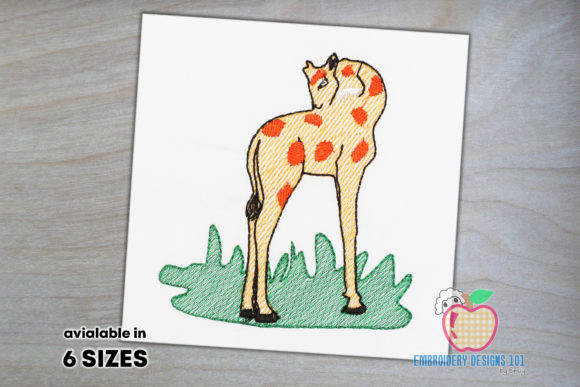
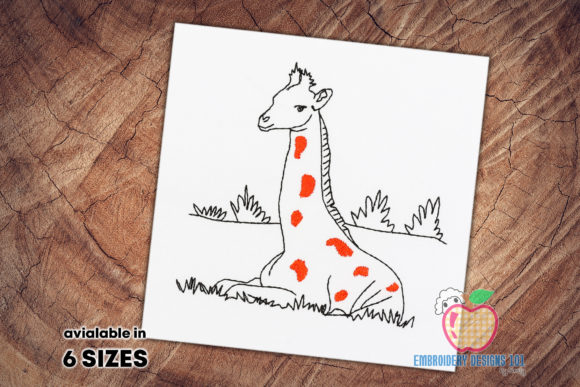
The first thing that strikes me about the Baby Giraffe Sitting on Grass Sketch is its approachable aesthetic. Unlike dense, fully filled satin stitch designs that can feel heavy on lightweight fabrics, this sketch-style approach relies on clean lines and open space. The mood it creates is gentle and whimsical, making it an ideal candidate for baby-related items or nature-inspired decor. The layout features a sitting giraffe surrounded by grass elements, which grounds the subject without cluttering the visual field.
For embroidery designers and Etsy sellers, visual clarity is paramount. This design avoids the trap of excessive detail that often gets lost during stitching. The "sketch" quality suggests a hand-drawn feel, which adds a layer of artisanal authenticity to any handmade product. It does not scream for attention with high-gloss fills; instead, it invites closer inspection, which is exactly what you want for a personalized gift or boutique item.
Real-World Application and Project Fit
When considering where to place this Wild Animals themed design, versatility is its strongest asset. I recently tested a similar concept on a canvas tote bag, and the results were promising. The open nature of the sketch style means it does not distort the fabric as much as a 100% filled design would. This makes it an excellent choice for tote bag design projects where structural integrity matters.
Beyond totes, this embroidery file shines in custom apparel. Imagine this design stitched onto the left chest of a soft cotton sweatshirt or a linen apron. The simplicity ensures that the sweatshirt embroidery remains comfortable against the skin, avoiding the stiff, cardboard-like feel that dense fill stitches can create. For baby items, such as onesies or burp cloths, the light stitch count is a significant advantage. Parents appreciate gifts that are durable yet soft, and this design respects that need.
For those running a small shop product line, this design can be easily adapted for embroidered patches. The clear outlines allow for clean cutting if you are creating iron-on or sew-on badges. It also works well for holiday embroidery projects, particularly for spring-themed collections or nursery decor updates. The neutral, natural theme ensures it does not become dated quickly, offering better long-term value for your digital embroidery file library.
Technical Performance and Stitching Considerations
While the design is described as fun and easy to stitch, experienced makers know that "easy" is relative to the setup. The product description notes that these are not 100% filled, which is a crucial technical detail. This implies a reliance on running stitch and possibly light satin stitch accents rather than heavy fill stitch coverage. This reduces stitch density, which is beneficial for stretchy fabrics and thin materials like jersey knits or muslin.
However, this low-density approach requires precision. Because there is less thread coverage to hide imperfections, your stabilizer choice becomes critical. I recommend using a cut-away stabilizer for garments that will be washed frequently, ensuring the design maintains its shape over time. For woven fabrics like tea towels or pillow covers, a tear-away stabilizer may suffice, but always test on scrap fabric first.
One area to watch is the grass element at the base. In smaller hoop sizes, fine details like individual blades of grass can merge together if the thread color contrast is too low. If you are stitching on dark fabric, ensure you use a high-contrast thread color to maintain the visibility of the sketch lines. Conversely, on light fabrics, subtle tonal variations can create a sophisticated, understated look.
Navigating Limitations and Fabric Choices
No design is perfect for every surface. While the Baby Giraffe Sitting on Grass Sketch is versatile, it should be used carefully on textured fabrics like thick terry cloth or heavily woven burlap. The fine lines of the sketch may get lost in the pile of the fabric. Similarly, avoid placing this design on curved surfaces like caps unless you have significant experience with hooping techniques, as the distortion can warp the giraffe’s proportions.
Additionally, because the design comes in multiple sizes as shown in the product image, you must verify the smallest size before committing to a project. Tiny details can become indistinguishable if scaled down too far. Always check the stitch count and dimensions provided in the specific file package to ensure it fits your intended hoop size. If the product description does not specify exact stitch counts or file formats, reach out to the seller or check the preview images closely before purchasing.
Commercial Viability and Brand Consistency
For craft business owners and commercial embroidery professionals, this design offers a balance of speed and quality. Quick stitch designs allow for higher production volume, which is essential for meeting demand during peak seasons like holidays or back-to-school periods. The professional appearance of the finished product enhances customer trust and brand consistency. When a buyer receives a well-stitched, clean-looking item, they are more likely to leave positive reviews and return for future purchases.
Using this design in printable mockups for your online store can also boost engagement. The clear, recognizable silhouette of the giraffe translates well in digital previews, helping potential customers visualize the final embroidered patch or apparel item. However, always confirm licensing terms before selling finished items or digital products. Ensure that the license allows for commercial use if you plan to incorporate this design into your small business merchandise.
Final Designer Notes
To get the best results from the Baby Giraffe Sitting on Grass Sketch, follow these practical steps:
- Test on Scrap Fabric: Always run a test stitch on the same type of fabric you plan to use for the final product.
- Check Thread Contrast: Ensure your thread colors stand out against the fabric background, especially for the sketch lines.
- Review Stabilizer: Match your stabilizer to the fabric weight and stretchiness to prevent puckering.
- Inspect Small Details: Zoom in on the digital file to check for any potential jump stitches or overly dense areas in the grass elements.
- Verify Licensing: Confirm whether the design allows for commercial sales of finished goods.
In conclusion, this design is a solid addition to any embroidery designer’s toolkit. It balances aesthetic charm with technical practicality, making it suitable for a wide range of applications from baby embroidery to custom apparel. By understanding its strengths and limitations, you can leverage this file to create high-quality, profitable handmade products that resonate with customers.