Little Fairy Sketch: A Designer’s Review
As an embroidery designer who spends countless hours digitizing and stitching, I am always cautious about adding new assets to my library. We all know the frustration of downloading a digital embroidery file that looks stunning in the preview but turns into a tangled mess on the hoop. Recently, I came across Little Fairy Sketch on Creative Fabrica, and it caught my eye not just for its whimsical subject matter, but for its potential in commercial applications. After reviewing the details and visualizing its application in real-world projects, I want to share my honest assessment of whether this design deserves a spot in your next collection.
First Impressions and Visual Mood
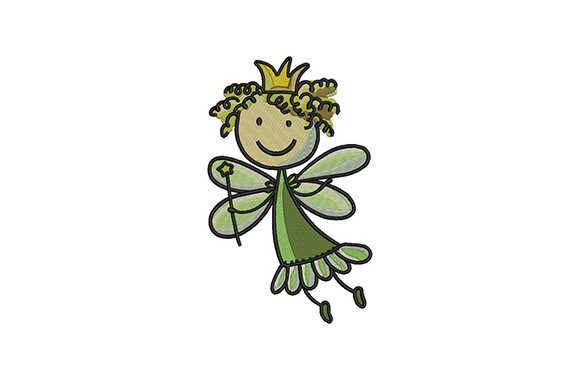
The first thing that strikes you about Little Fairy Sketch is its delicate, hand-drawn aesthetic. Unlike heavy, blocky designs that can overwhelm small garments, this piece relies on fine lines and open spaces. It captures the essence of Fairy Tales without being overly childish or cliché. The sketch-like quality gives it a modern, artisanal feel that appeals to today’s buyers who value handmade authenticity over mass-produced perfection.
From a technical standpoint, the design appears to balance running stitch outlines with subtle fill stitch areas. This combination is crucial for maintaining a lightweight feel on fabric. Heavy saturation can make a garment stiff, but a sketch style allows the texture of the underlying material to shine through. For designers looking to create items that feel premium and comfortable, this visual lightness is a significant advantage.
Real-World Application for Handmade Products
When I evaluate a new machine embroidery design, I immediately ask myself: "Where will this sell?" Little Fairy Sketch is versatile enough to fit into several high-demand categories. Here is how I envision using it in a professional setting:
- Custom Apparel: The delicate nature of the design makes it perfect for women’s blouses or children’s dresses. It sits beautifully on the chest pocket area or as a central motif on a plain tee.
- Tote Bag Design: Canvas totes are a staple for Etsy sellers. This fairy motif adds a touch of magic to everyday utility items, appealing to book lovers and gardeners alike.
- Sweatshirt Embroidery: While dense designs can crack on thick fleece, a sketch-style design often integrates better. It provides a focal point without adding excessive bulk to the garment.
- Nursery Decor: For baby blankets or pillow covers, the soft imagery fits perfectly into a woodland or fantasy-themed nursery. It serves as a gentle, calming visual element.
- Embroidered Patch: If you offer patches as add-ons, this design could be stitched on twill or felt, creating a collectible item for customers who want to customize their own jackets later.
The key to success with Little Fairy Sketch lies in its adaptability. It does not scream for attention; rather, it invites closer inspection. This subtlety is often what converts browsers into buyers in the competitive handmade market.
Technical Considerations for Stitching Success
While the design is beautiful, practical execution requires attention to detail. Because this is a sketch-style piece, it likely relies on precise needle placement. Here are the technical factors I consider before hooping:
Fabric Selection and Stabilizer
Sketch designs can look messy if the fabric shifts even slightly. I recommend using a cut-away stabilizer for stretchy fabrics like jersey knits to prevent distortion. For woven cottons or linen, a tear-away might suffice, but always test first. The open nature of the design means any puckering will be visible, so proper hooping tension is non-negotiable.
Thread Colors and Contrast
Since the design mimics a pencil or ink sketch, thread choice is critical. A matte rayon or polyester thread in a neutral tone—such as slate gray, soft brown, or muted pastels—will enhance the artistic vibe. Avoid high-sheen threads unless you are going for a specific fantasy sparkle effect. Always check thread colors against your fabric swatch. On dark fabrics, you may need to adjust the brightness or use a lighter thread to ensure the running stitch details remain visible.
Hoop Size and Placement
The product description mentions multiple formats, which is standard for Creative Fabrica embroidery products. However, always verify the specific hoop size requirements for your machine. If you are placing this on a curved surface, like a cap or a sleeve, ensure the design dimensions fit within your cap frame or tubular hoop without distortion. Small details in sketch designs can get lost if scaled down too aggressively, so respect the minimum size recommendations provided by the digitizer.
Enhancing Product Value and Brand Consistency
Using high-quality design assets like Little Fairy Sketch directly impacts your brand perception. Customers associate clean, well-executed embroidery with professionalism. A sloppy stitch-out damages trust, but a crisp, artistic design builds it. This particular design helps maintain a cohesive aesthetic if your brand focuses on whimsical, nature-inspired, or storybook themes.
Furthermore, this design lends itself well to printable mockup creation. Before you even stitch a single thread, you can place the digital file onto photos of blank products to gauge visual appeal. This saves time and materials. When you do produce the finished product, the unique artistic style helps your items stand out in crowded marketplaces. It is not just another generic flower or heart; it is a narrative piece that tells a story.
Final Verdict and Practical Advice
Is Little Fairy Sketch worth downloading? For designers who value versatility and artistic flair, yes. It offers a fresh alternative to heavy, saturated designs and opens up opportunities for delicate, high-end handmade product lines. However, success depends on your preparation.
- Test on Scrap Fabric: Never run a new design on customer goods first. Stitch it out on the same type of fabric you intend to sell.
- Check File Details: The description notes it comes with multiple formats. Confirm that your specific machine reads the file type provided (such as PES, DST, or JEF) before purchasing.
- Review Licensing: Always read the license terms on the Creative Fabrica product page. Ensure you are compliant regarding commercial embroidery rights if you plan to sell physical items.
- Inspect Small Details: After your test stitch, check for thread breaks or loose tails in the fine lines. Trim carefully to maintain the clean sketch look.
In conclusion, Little Fairy Sketch is a strong contender for your next project. It bridges the gap between digital convenience and handmade charm. By paying attention to stabilizer choice, thread contrast, and fabric texture, you can transform this embroidery file into a best-selling item. Whether you are creating a personalized gift for a client or stocking your online shop with seasonal goods, this design offers the creative flexibility needed to succeed in today’s market.