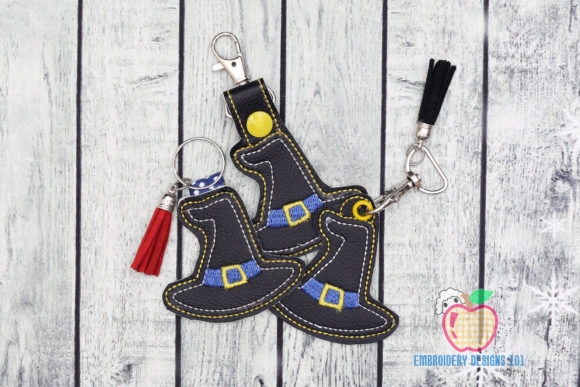
Halloween Hat: A Designer’s Review for Real Projects
As someone who has spent countless hours hooped over machines, tweaking tension dials, and analyzing stitch paths, I approach every new machine embroidery design with a mix of curiosity and caution. We have all been there: you download a file that looks stunning in the preview, only to find it turns into a puckered mess on actual fabric. That is why when I pulled up the Halloween Hat design, my first instinct was not just to admire the aesthetics, but to mentally simulate the stitching process. This is not just about whether it looks cute; it is about whether it holds up in a real-world embroidery project.
First Impressions and Visual Personality
The immediate vibe of the Halloween Hat is playful yet polished. It captures that specific whimsical energy required for seasonal decor without leaning too heavily into cluttered or overly complex details that often plague holiday designs. For designers, this balance is crucial. A design that is too dense can ruin delicate fabrics, while one that is too sparse might look unfinished on heavier materials like sweatshirt fleece.
The layout suggests a strong silhouette, which is essential for recognition at a distance. Whether this is intended for a small embroidered patch or a larger statement piece on a tote, the visual weight feels appropriate. The creative prompt mentions having your keys ready, which implies a functional or accessory-based application, perhaps hinting at keychains, bag charms, or small decorative accents. This versatility is a major selling point for any craft business looking to maximize the utility of a single digital embroidery file.
Real-World Application Scenarios
Let us move beyond theory and talk about where this design actually shines. I recently worked on a batch of custom orders for a local boutique, and a design like Halloween Hat would have been perfect for their autumn collection. Here is how I see it performing in various contexts:
- Tote Bag Design: On a canvas tote, this motif would serve as a charming focal point. The sturdy nature of canvas supports the stitch structure well, ensuring the design remains crisp after repeated use.
- Sweatshirt Embroidery: For custom apparel, placing this on the chest pocket area or as a large back print on a hoodie adds a festive touch without being overwhelming. The texture of fleece helps hide minor imperfections, making it forgiving for beginners.
- Baby Embroidery: If scaled down appropriately, this could work on baby onesies or bibs. However, extra care must be taken with thread choice to ensure softness against sensitive skin.
- Holiday Gifts: As a personalized gift, adding a name beneath the hat transforms a generic item into a cherished keepsake. It elevates the perceived value of the finished product significantly.
Technical Considerations for Stitching Success
While the aesthetic appeal is clear, the technical execution determines whether you keep a customer or face a return. When evaluating the Halloween Hat, consider the following practical aspects before hitting start on your machine.
Fabric and Stabilizer Selection
The success of any applique design or filled motif depends heavily on the interplay between thread, fabric, and stabilizer. For textured fabrics like terry cloth towels or waffle-knit blankets, you may need a heavier cut-away stabilizer to prevent distortion. If you are stitching on thin fabric, such as a cotton pillow cover, a tear-away might suffice, but test it first. The stitch density appears moderate, but without exact data, I always recommend running a test stitch on scrap fabric identical to your final material. This helps you gauge if the design pulls the fabric or if the threads bridge gaps effectively.
Thread Colors and Contrast
Halloween themes often rely on high contrast—think orange against black, or purple against green. When selecting thread colors for the Halloween Hat, ensure there is enough distinction between the hat and the background fabric. If you are stitching on dark fabric, consider using a lighter underlay or adjusting your top thread to a brighter shade to maintain visibility. Testing your design in black and white mockups can reveal if the shape holds up without color reliance, which is a good indicator of structural clarity.
Hoop Size and Placement
Since the product description notes compatibility with multiple machines and formats, you likely have flexibility in hoop size. However, always confirm the maximum dimensions of the design before purchasing or starting. If you plan to use this on curved surfaces like caps, ensure the design fits within the cap frame constraints. Small details can get lost if the design is scaled down too aggressively, so check the integrity of fine lines and corners at your intended size.
Commercial Viability and Brand Consistency
For Etsy sellers and small shop product creators, consistency is key. The Halloween Hat offers a professional look that can enhance brand trust. Customers associate clean, well-stitched designs with quality. Using this design in your commercial embroidery lineup can help build a cohesive holiday collection. It works well for printable mockup previews because its distinct shape translates clearly in digital images, helping potential buyers visualize the final item.
Moreover, versatility drives sales. This design can be marketed across various categories: from kitchen towel accents to nursery decor items. By showcasing the same design on different products in your portfolio, you demonstrate its adaptability, appealing to a broader audience of makers and buyers.
Final Verdict and Practical Advice
The Halloween Hat is a solid addition to any designer’s library, provided you approach it with the right preparation. It is not just a decorative element; it is a tool for creating engaging, sellable goods. Before committing to a large batch, remember these steps:
- Test on Scrap: Always stitch out on the actual fabric type you intend to use.
- Check Licensing: Confirm the license terms for commercial use. While the description mentions multiple formats, explicit permission to sell finished items should be verified.
- Inspect Details: Zoom in on the digitized file to check for unnecessary jumps or dense areas that might cause thread breaks.
- Consider the Audience: Think about who will buy the final item. Is it for kids? Adults? Home decor? Tailor your presentation accordingly.
In conclusion, this design offers a blend of festive charm and practical usability. It respects the constraints of machine embroidery while offering enough creative freedom to make each handmade product unique. Whether you are decorating a tote bag for a craft fair or creating a line of holiday embroidery gifts, the Halloween Hat stands ready to deliver results that look as good as they feel. Just remember: the magic is in the preparation, the stabilizer, and the thread choice. Happy stitching.